Advertisement · Northwater Angling

Field notes · tackle · real catches

7 things experienced anglers do differently.

The difference is rarely one magic lure. It is a chain of small decisions: where to stand, what to notice, how to balance a setup, when to change approach and what to learn after the session.

UK watersPractical techniqueTackle matching
Angler fishing from a quiet British shoreline at first light
Read the water before you read the tackle box.
Field guide01–07

Experienced anglers spend less time guessing.

They arrive with a plan, but they are not trapped by it. They look for clues in wind, depth, water colour, bird activity, tide or flow, then adjust the tackle and presentation to what the water is showing them. The seven habits below are practical, repeatable and useful whether you fish rivers, lochs, reservoirs, canals or the coast.

Fishing water with reeds, current and visible structure
Observation first. Casting second.
01

Choosing the spot

They fish features, not empty water.

A promising swim is not simply the prettiest one. Experienced anglers look for edges: a change in depth, a crease in current, a shaded margin, weed meeting clear water, a drop-off, a harbour wall, a patch of rough ground or a route fish can travel along.

Before the first cast, spend a few minutes watching. On rivers, note flow and slack water. On stillwaters, watch the windward bank, bird activity and surface movement. On the coast, combine local access information with tide, structure and safe footing.

Field habitMake the first cast answer a question: depth, bottom type, current speed or fish presence.
Angler assessing a likely fishing spot before casting
02

Matching the tackle

They build one balanced system, not a collection of strong parts.

A powerful rod paired with the wrong reel, line or leader can still feel clumsy and unreliable. Good tackle selection starts with the species, venue and method, then works backwards through lure or bait weight, casting distance, line diameter, drag range and the amount of control needed during the fight.

Experienced anglers also think about fatigue. A setup that feels impressive in the shop may be tiring after hours of casting. Balance, grip, reel position and total weight matter as much as headline specifications.

How our equipment matching works →
Fishing rod reel line and terminal tackle arranged for a session
03

Timing & conditions

They fish the conditions, not just the clock.

Light, wind, pressure changes, flow, tide and water temperature can alter where fish hold and how confidently they feed. The practical advantage comes from adapting: slowing down in difficult conditions, covering more water when fish are active, or changing depth rather than endlessly changing lures.

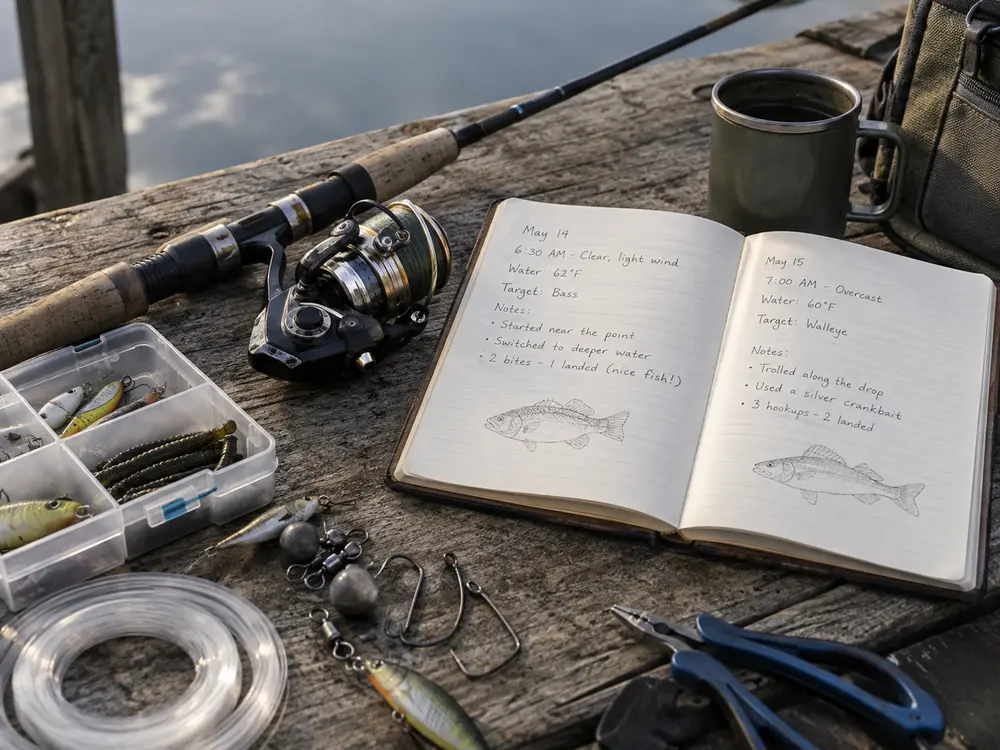
A session log does not need to be complicated. Record the venue, approximate conditions, successful depth or area, presentation and any visible fish activity. Patterns become useful only when they are written down.

Wind directionWater clarityFlow / tideLight level
Fishing in changing British weather and light conditions
04

Technique

They change the presentation before they abandon the swim.

Small adjustments often matter more than dramatic changes. Shorten the pause. Retrieve lower. Reduce the lead. Change the angle of the cast. Feed less but more accurately. Tighten line control in crosswind. Experienced anglers work through those variables methodically instead of changing everything at once.

That makes each cast useful. If you alter only one element, you can actually learn what produced the response. The same discipline helps when a fish is hooked: steady pressure, a correctly set drag and a clear landing plan beat rushed reactions.

ControlConsistencyObservation
Close view of an angler controlling line and rod during a retrieve

05 · Our anglers

Four catches from recent sessions.

A closer look at four catches from our anglers, with the species, approach and balanced tackle choices that suit this type of fishing.

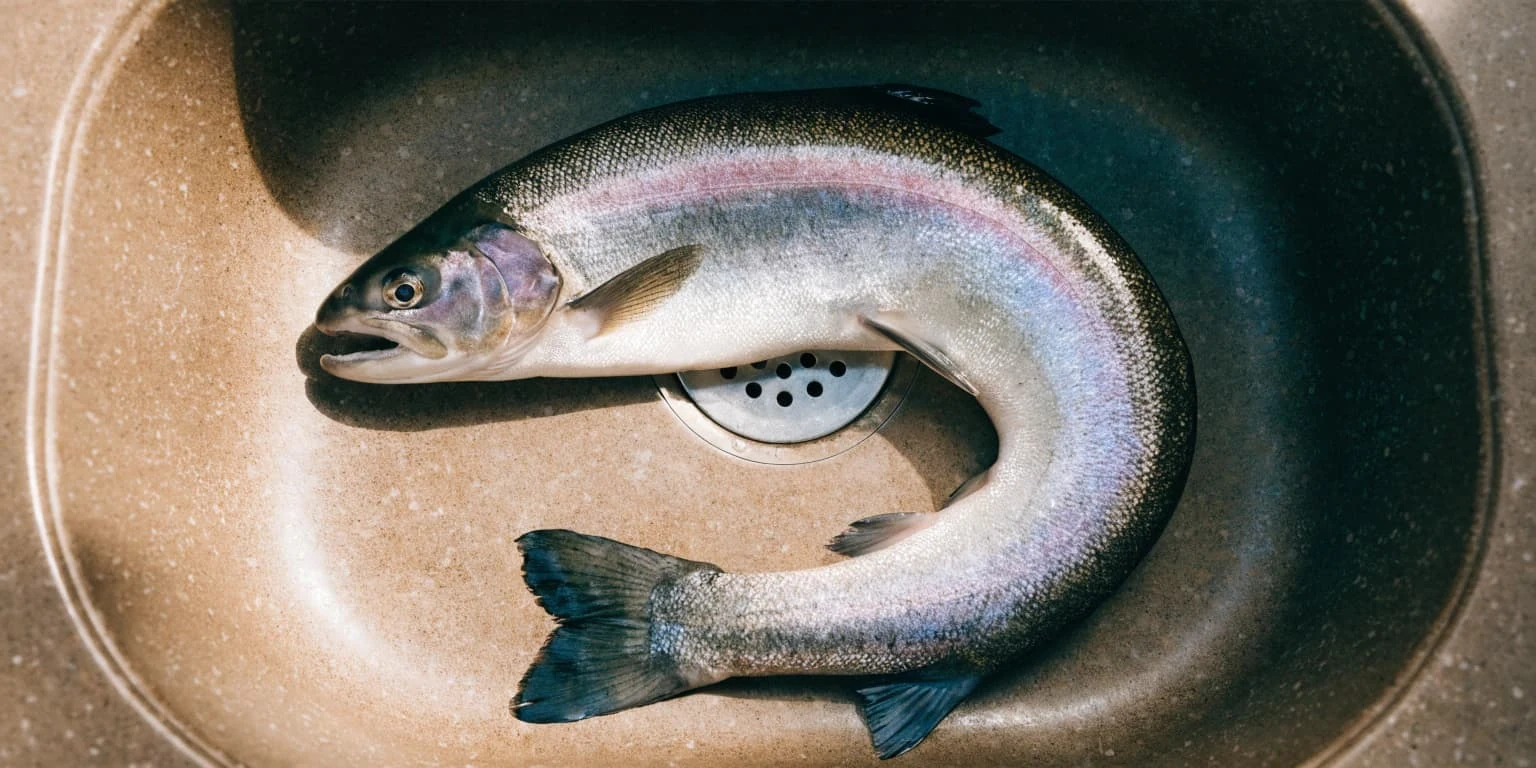
Rainbow trout photographed after a fishing session
Catch 01

Rainbow trout

Conditions
Cool, relatively clear water with a measured approach and careful presentation.
Method
A compact lure worked steadily through the water, with pauses used to vary the presentation.
Tackle
Light-to-medium spinning rod, balanced reel, fine main line and a discreet leader suited to trout fishing.
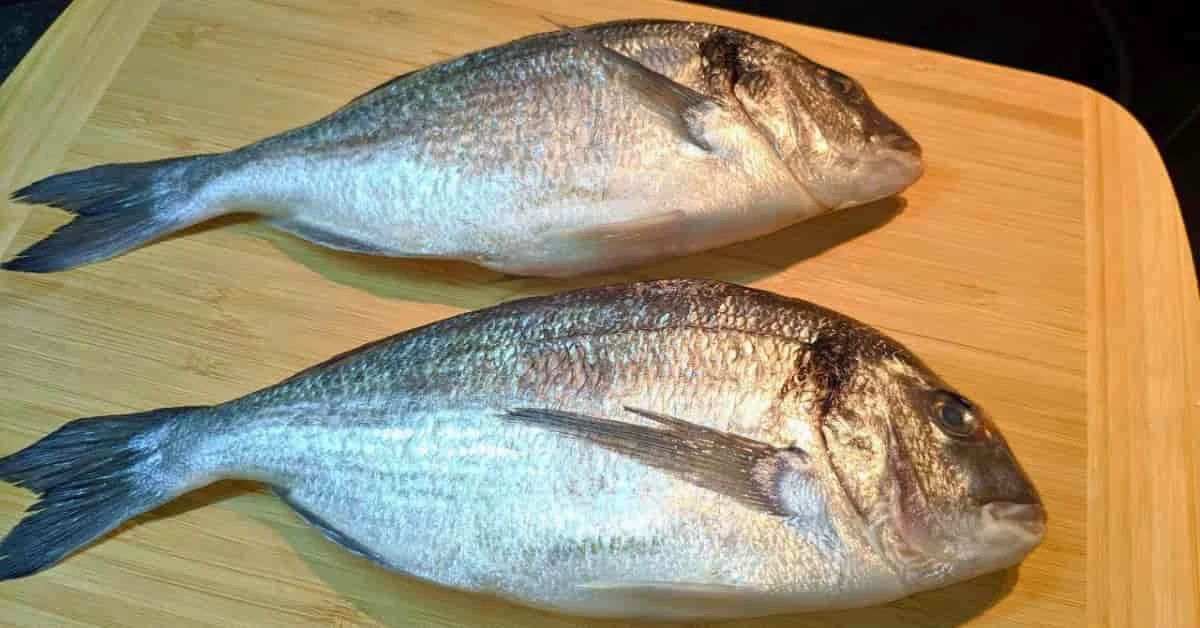
Two gilthead seabream photographed after a fishing session
Catch 02

Gilthead seabream

Conditions
A saltwater session with the rig presented close to the bottom and enough sensitivity to detect cautious bites.
Method
Natural bait presented on a simple bottom rig and allowed to fish with minimal unnecessary movement.
Tackle
Medium coastal rod, reliable fixed-spool reel, abrasion-resistant leader and terminal tackle matched to bottom fishing.
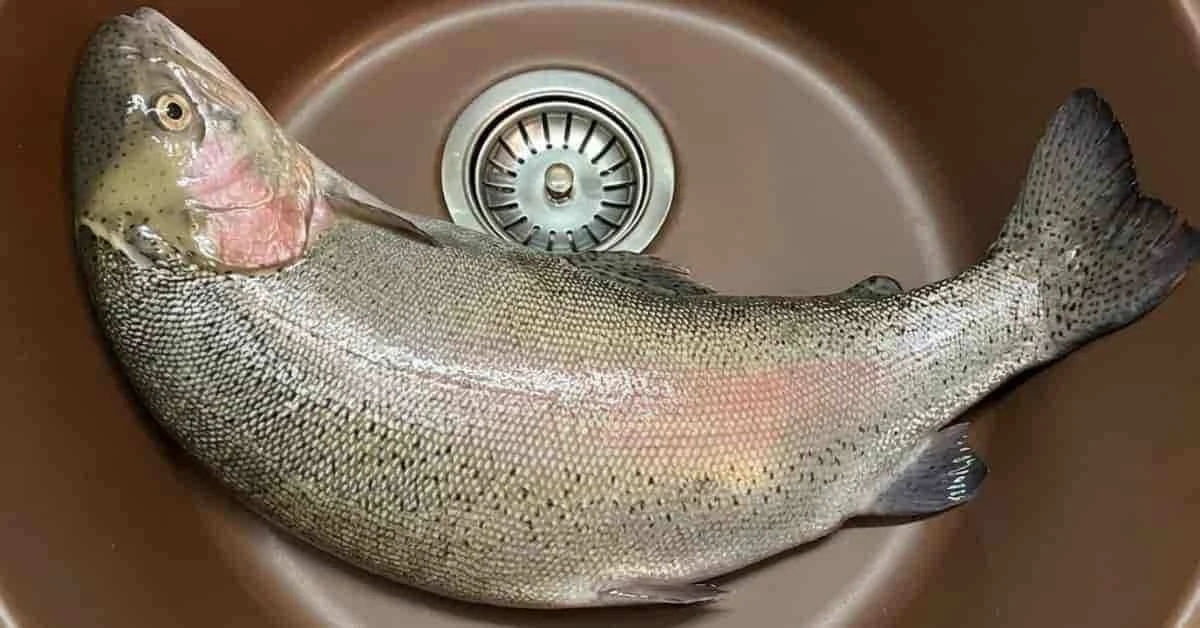
Rainbow trout photographed after a fishing session
Catch 03

Rainbow trout

Conditions
Cooler water and moderate light, with the fish responding to a controlled presentation rather than a fast retrieve.
Method
A small artificial lure retrieved at changing speeds until the most productive depth and pace were found.
Tackle
Responsive spinning rod, compact reel with a smooth drag, relatively light line and a fine leader.
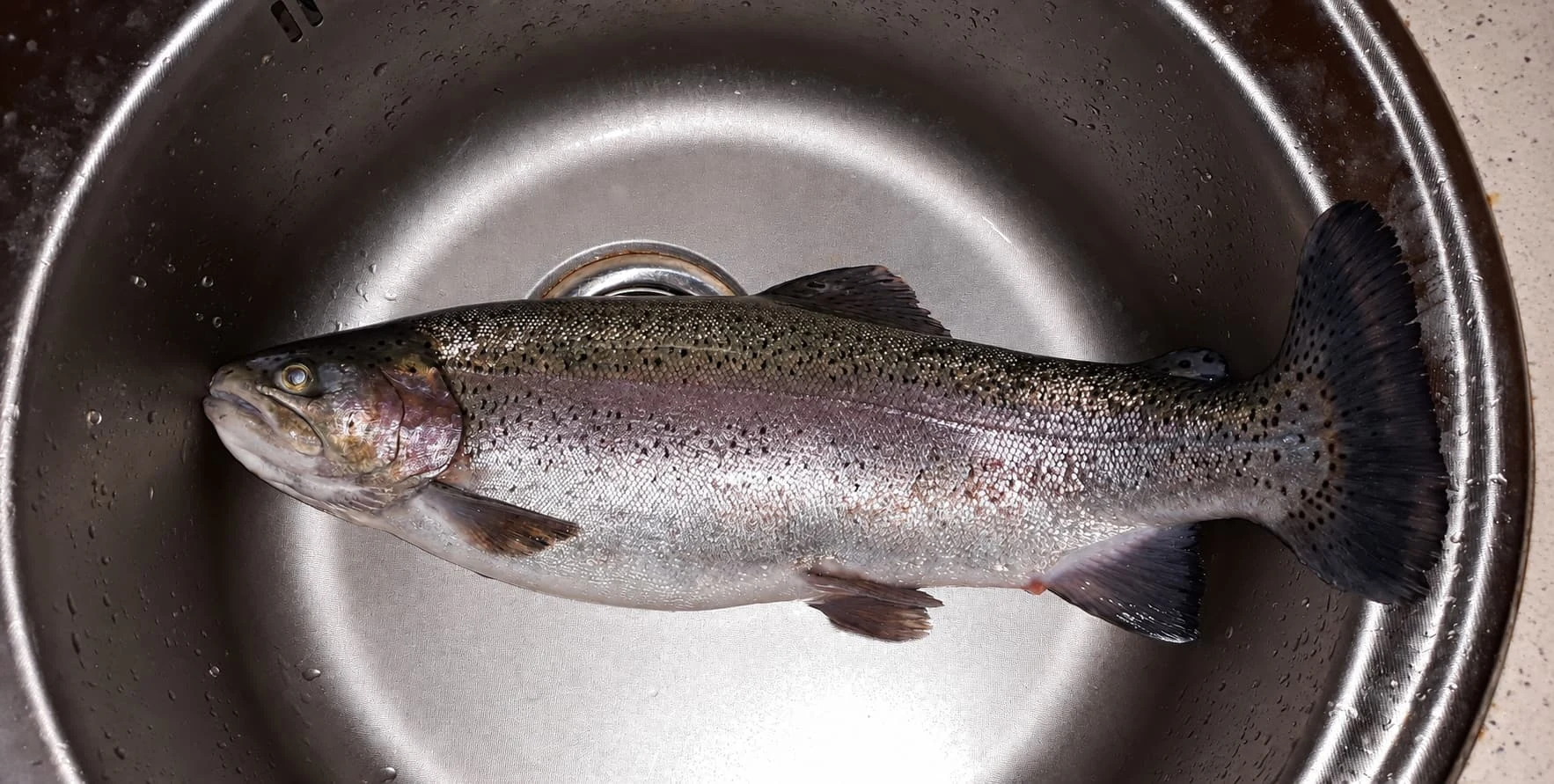
Rainbow trout photographed after a fishing session
Catch 04

Rainbow trout

Conditions
A steady session in clear water, with attention paid to depth and line control throughout the retrieve.
Method
A small lure presented with a smooth retrieve and occasional pauses to keep the presentation natural.
Tackle
Light spinning setup with a balanced reel, smooth drag and leader material chosen to keep the presentation unobtrusive.

Catch care · food safety · field experience

The Most Dangerous Fish: We Eat It Without Knowing the Risk!

The dramatic headline is not really about a monster with teeth. For anglers who keep part of their catch, the more useful lesson is that an ordinary, familiar fish can become a problem when identification, handling, chilling or preparation is treated as an afterthought.

Most of us spend far more time thinking about how to catch a fish than what happens in the hour after it comes to the net. We check knots, sharpen hooks, watch the wind and change depth by a few feet, yet the journey from water to plate can be handled almost automatically. That is exactly where a good day’s fishing deserves the same care we give to tackle.

There is no single fish that is universally “the most dangerous” on a normal British menu. Risk depends on the species, where it came from, how confidently it was identified, how long it stayed warm, how it was stored and how it was prepared. Some fish have sharp spines or teeth that matter during handling; others can carry parasites when eaten raw or undercooked; and some oily species can cause problems if the cold chain is broken.

The safest habit is simple: treat catch care as part of the fishing session, not as a job to think about when you get home.

The risk often begins after the fish is caught

On a warm day, a fish left in a bag, bucket or car can deteriorate quickly. That does not always announce itself with an obvious smell or appearance. If a fish is being retained for food, the plan for dispatch, cleaning, cooling and transport should be made before the first cast, just like the landing net and unhooking tools.

That matters particularly with oily fish. Species such as mackerel are popular, accessible and excellent eating when they are fresh and properly handled. They are not inherently “dangerous”, but poor temperature control can allow naturally occurring processes to create high levels of histamine. Once that has happened, cooking does not reliably remove the problem. The practical lesson for an angler is not to fear mackerel; it is to chill retained fish promptly and keep it cold.

The same principle applies beyond self-caught fish. A fillet bought from a reliable retailer has already passed through a controlled supply chain, but storage at home still matters. Keep chilled fish refrigerated, follow the use-by guidance, avoid leaving it at room temperature and freeze it promptly if it will not be eaten in time.

Many People Eat This Dangerous Fish Without Knowing the Risk

Mackerel is a good example of why that sentence needs context. It is a normal food fish, rich in flavour and widely eaten, and for most people it is perfectly ordinary when stored and prepared correctly. The hidden risk is not the fish simply being a mackerel; it is the combination of time and temperature after death. That distinction turns a frightening headline into a useful fishing habit.

Identification matters too. Anglers should be certain of what they have caught before deciding to retain it, and they should check local rules, minimum sizes, protected species restrictions and any fishery-specific advice. “It looks about right” is not enough when an unfamiliar species is involved. If you cannot identify a fish confidently, the sensible default is not to put it on the menu.

What I do before a fish ever reaches the pan

My routine is deliberately boring. I decide before the session whether I am actually keeping fish. If I am, I bring the right container and enough ice or cold packs for the conditions. I keep retained fish separate from dirty tackle, bait packaging and anything else that can contaminate food. At home, I use clean tools and surfaces, wash hands thoroughly and cook fish appropriately unless it is a product specifically intended and prepared for raw consumption.

I also pay attention to bones. A beautifully cooked fillet can still be unpleasant or hazardous if pin bones have been missed, especially when serving children or older people. Running clean fingers slowly over the flesh catches more than a quick visual check, and proper filleting makes the meal better as well as easier to eat.

Wild fish can also reflect the water they live in. Local pollution incidents, temporary closures or consumption advice are worth checking where relevant, especially if you regularly take fish from the same water. Rules and recommendations can vary by fishery and location, so the current local guidance should always beat a general internet tip.

The best catch is one you can handle properly

None of this is a reason to become anxious about eating fish. It is a reason to extend good angling discipline beyond the moment of capture. We already accept that a balanced rod, sound knot and suitable landing net reduce avoidable problems. Good food handling is the same kind of preparation.

So the “dangerous fish” in the headline is not a secret species hiding on every dinner plate. More often, the danger is hidden in a missed step: uncertain identification, poor chilling, careless storage or unsuitable preparation. Get those basics right and a retained catch can move from water to table with the respect it deserves.


06

THIS CATCH MAY SURPRISE EVEN EXPERIENCED ANGLERS

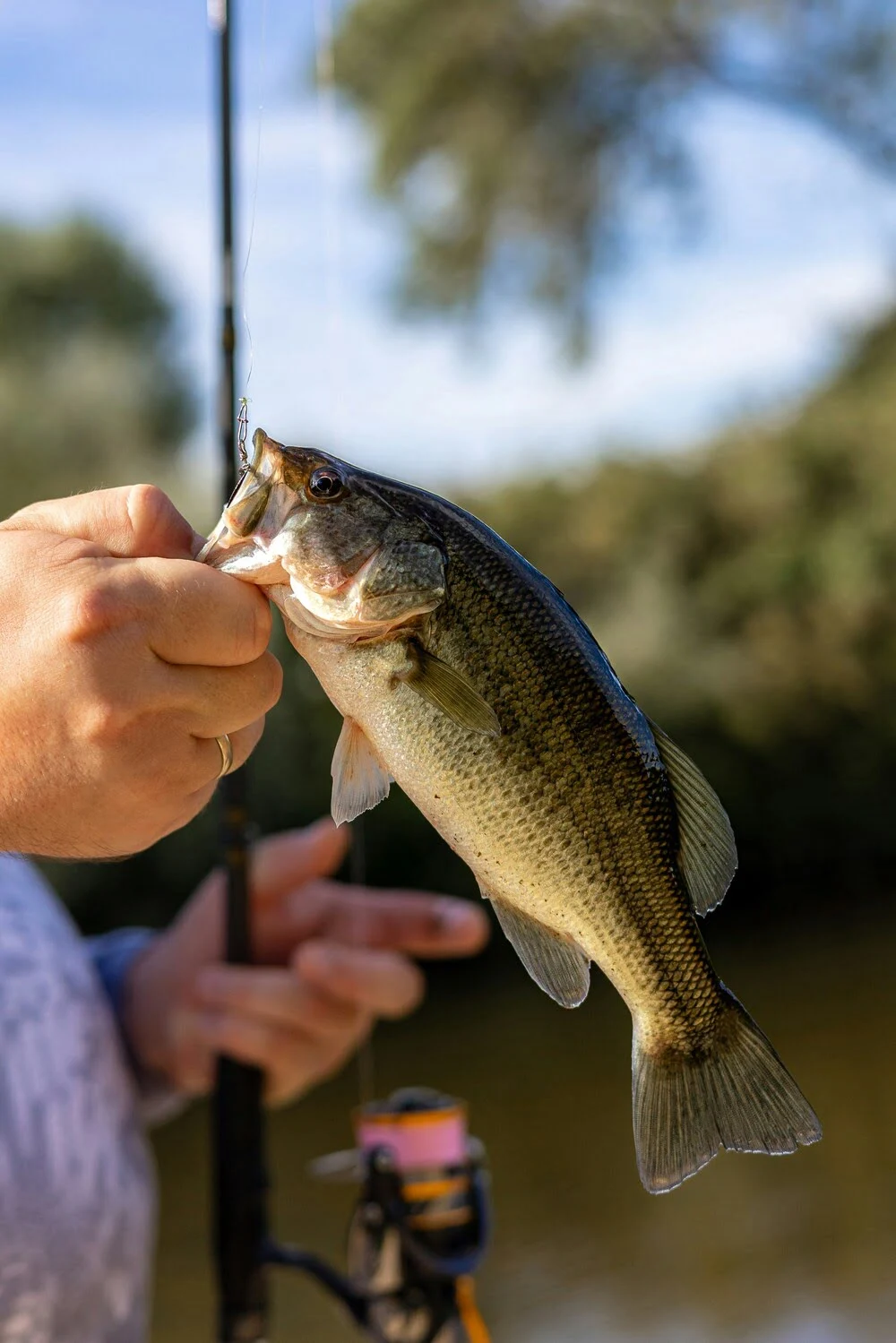
Angler holding a freshly caught fish beside the water

Over the years of fishing, I have understood one simple thing: a good catch is not only the size of the fish and a successful day on the water. Real experience comes when you begin to understand the characteristics of different species and know exactly what has ended up on your hook.

Many anglers pay a great deal of attention to tackle, lures and the choice of fishing spot. But it is no less important to understand the catch itself. Some fish species may look familiar, although they have characteristics that far from everyone knows about.

That is why experienced anglers always study a new species before preparing it or recommending it to others. Knowledge helps you get more enjoyment from fishing and avoid unexpected situations.

Many people eat this dangerous fish without knowing the risk

One such example is escolar. This sea fish is known for its dense flesh and unusual taste, so it can be found in some shops and restaurants.

However, not every buyer knows about the characteristics of this species. On the outside, escolar may look like an ordinary fish, and many do not even think that before preparing it, it is important to take certain rules into account.

The main problem often lies not in the fish itself, but in the lack of information. People may not know the origin of the product, the specifics of processing and the reasons why experienced anglers treat some species with special attention.

For an angler, it is important not only to catch a good catch, but also to understand its characteristics. It is this knowledge that distinguishes a beginner from a person with real experience.

The most dangerous fish: we eat it without knowing the risk!

When it comes to dangerous fish species, many imagine rare marine creatures that are almost impossible to encounter. But sometimes the surprise is hidden among those species that look quite familiar.

Some fish become popular thanks to their taste and appearance, but at the same time require more careful attention. That is why experienced anglers never limit themselves only to an external assessment of the catch.

Real fishing is not only the moment of the bite and a successful trophy. It is knowledge, observation and understanding of the nature around you.

The more an angler knows about different species, the more confident he feels on the water and the more he values each new catch.

07

Reviewing the session

They improve the setup after fishing, not while shopping.

After a session, experienced anglers can usually name one thing that worked and one thing that made the fishing harder. Perhaps the rod was too long for the swim, the leader was too visible, the reel balance was tiring, the landing net was undersized or the terminal tackle took too long to change.

Those notes turn equipment buying into problem solving. Instead of asking for “a better rod”, you can describe the real constraint: casting a 30 g lure into wind, controlling a fish near rock, presenting light tackle at range or reducing fatigue during a full day of casting.

Ask us to review your setup
Fishing notebook beside rod reel and terminal tackle

From field notes to equipment

Tell us where the current setup is holding you back.

We match rods, reels, line and terminal tackle to the way you fish rather than starting with a shelf of products. A useful enquiry includes your main species, typical venue, casting weight, method and the problem you want the next setup to solve.

Questions before you enquire

FAQ

Do I need to know exactly what equipment I want?

No. It is more useful to tell us what you fish for, where you fish, what method you use and what feels limiting in your current setup. We can then narrow the specifications before discussing particular equipment.

Can you help a complete beginner?

Yes. For a first setup, we focus on a manageable rod and reel combination, straightforward terminal tackle and the essential landing and unhooking equipment for the intended venue.

Do you guarantee that a new setup will catch more fish?

No. Tackle can improve control, presentation, comfort and suitability for a method, but fish behaviour and conditions remain variable. We do not make catch guarantees.

Do you provide guiding or fishing permits?

No. Our service is focused on tackle selection and practical equipment advice. Anglers should arrange access, licences, permits and local fishery information separately.

Tackle review

Start with the fishing you actually do.

Send the basics of your setup and the problem you want to solve. We will use that information to prepare a focused equipment conversation rather than a generic product list.

Buchanness Fishing PartnershipEdgewater House, Inverugie, Peterhead, AB42 3DP+44 7779 245591[email protected]